








India is a land where a household that listens to Sukhwinder Singh also listens to Rahat Fateh Ali Khan; where those who read Munshi Premchand also read Saadat Hasan Manto; where Vikram Sarabhai and APJ Abdul Kalam worked together to take the country’s space program to newer heights—India is a land that lives and breathes in and is arguably the epitome of Ganga-Jamuni Tehzeeb.
Ganga-Jamuni Tehzeeb, also known simply as Hindustani Tehzeeb, is more than just a phrase—it is a testament to the diversity that India stands for and is a symbol of. Being a rather old civilization, India has seen and welcomed a lot of different cultures from all over the world throughout its history. Over the years, it has imbibed their elements and values and also shared its own with them.
An Example of Itself?
Ganga-Jamuni Tehzeeb specifically refers to the syncretic fusion of Hindu cultural elements with those of Islam. And it should not sound like something new, owing to the strong influence of Mughal elements across various domains, be it food, art, architecture, or poetry.
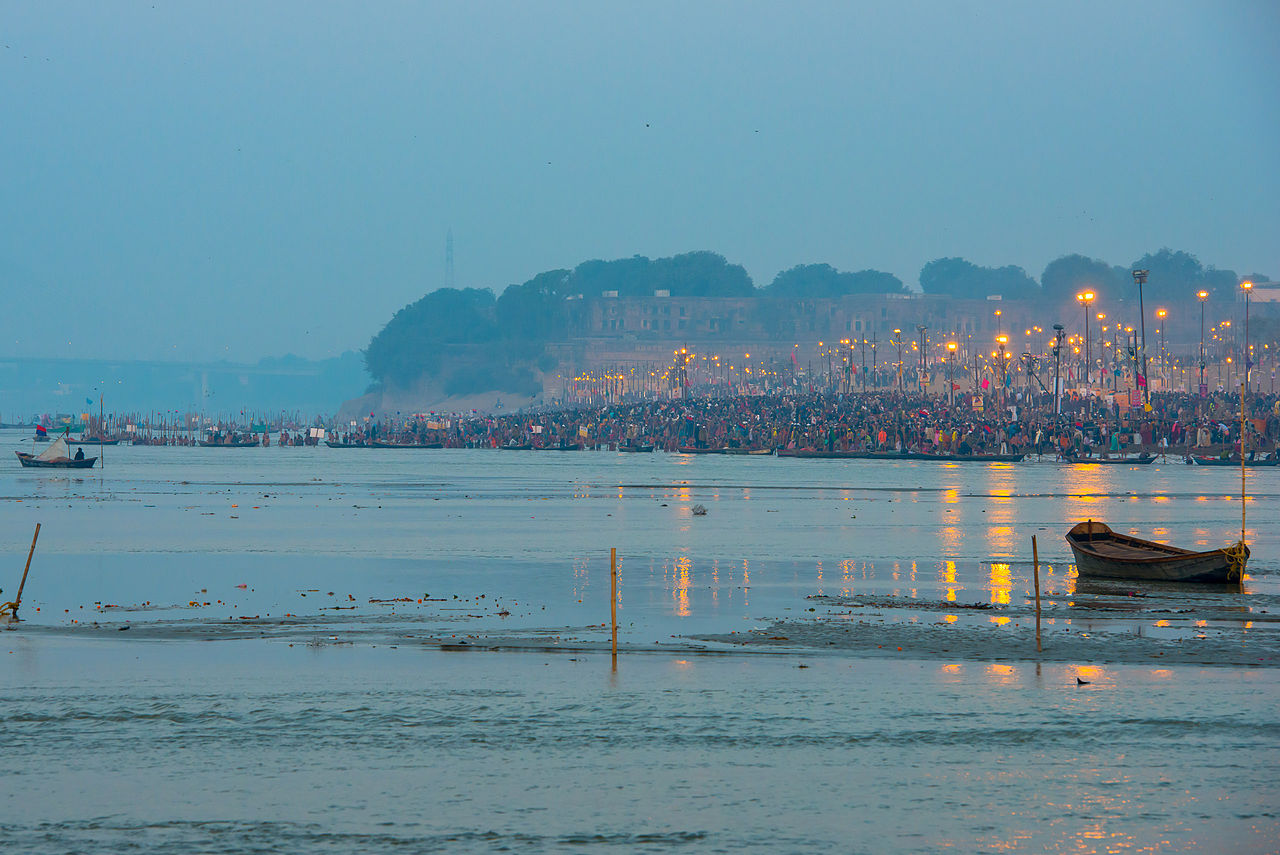
The term Ganga-Jamuni Tehzeeb itself is an example of itself. Ganga-Jamuni comes from Hindi and means “mixed”, “composite”, or “alloy”. It also refers to Ganga and Yamuna, two separate Indian rivers that merge into each other at the Triveni Sangam in Prayagraj. The allusion to these two rivers, as the Indian historian Rana Safvi says, is to highlight that the two cultures, like the two rivers, keep their distinct identities, without letting one subsume the other. The latter half of the term, Tehzeeb, comes from Urdu, which means civilization, culture, progress, and development.
The Syncretic Proponents

The Mughal emperor Jahangir celebrates Holi with ladies of the zenana
Image courtesy: Wikimedia Commons
One can find several examples of this Tehzeeb sprinkled throughout history. From popular, evident exemplars such as the Taj Mahal, to the relatively indirect, often unnoticed artisans behind the actual art, such as the Kashmiri carpet makers that weave luminous representations of Durga, Lakshmi, and Saraswati in delicate “shastric” intricacy into the carpets they make, Ganga-Jamuni Tehzeeb touches countless aspects of our culture.
Kathak, one of the eight primary Hindustani dance forms is a classic example. Though its roots lie in the Hindu Bhakti movement, it received great patronage from the Mughals, eventually becoming the only dance form that includes Persian elements, such as Urdu ghazals and Mughal instruments.
Cultural festivals such as Jashn-e-Rekhta, which might be considered an extension of the concept of mehfil can also be considered a means to propagate and celebrate this fusion. The festival, primarily a celebration of the Urdu language, is attended by people from across the country, all from varied backgrounds and communities.

Renowned actress Shabana Azmi and prominent Urdu poet Javed Akhtar at one of the editions of Jashn-e-Rekhta
Image courtesy: Indian Express
Even food hasn’t been left untouched by the influence of this tehzeeb. Arguably the de facto Indian food, Biryani might be considered the quintessential dish of this syncretic fusion. This delectable delicacy has a Muslim origin and uses Indian spices in its preparation. The food of the capital city of this fusion, Lucknow, for which it is widely popular (crispy Kebabs, mouthwatering Poori Kachori, soul-satisfying Shahi Tukda), has been enriched by the tehzeeb.

Famous Galouti Kebabs of Lucknow
Image courtesy: Wikimedia Commons
The Ganga-Jamuni Tehzeeb is a testament to the fact that whatever our differences, we can live in harmony and benefit from one another. It demonstrates how cross-cultural interactions between people of various backgrounds and faiths may benefit society as a whole.
This fusion offers a remarkable illustration of what we can accomplish when we work together in harmony in today's world, where polarization and division appear to be on the rise. It serves as a reminder that diversity is our strength and that, when we embrace our similarities and appreciate our differences, we can enrich and beautify society.
Muskuraiye, aap Bharat mein hain. :)


