









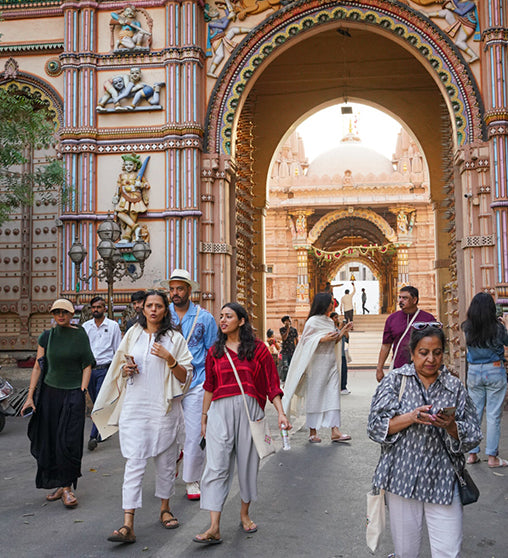
The sun has set; people have started around the bonfire that has just been lit. Plates full of popcorn, peanuts, rewari, gajak, chikki, and jaggery are being passed around with people taking some to munch on and some to toss in the bonfire. Kids and grown-ups alike are singing and dancing around the bonfire.

Image courtesy: Wikimedia Commons
This descriptive visual is of what a typical Lohri night looks like. The ambiance becomes a heady mix of sweet aromas, crackling fire sounds, fun, frolic, and the energy of people dancing to and singing in unison the chorus of the iconic Lohri song, Sunder Mudriye, which begins as follows:
Sunder mundriye ho!
Tera kaun vicharaa ho!
Dullah Bhatti walla ho!
While these lyrics have become popular outside of its culture of origin, only a few know the story of the hero of this folk song—Dulla Bhatti.
The Tale of Dulla Bhatti
Born into a family of local rural chiefs belonging to the zamindar class, Dulla Bhatti (also called Dullah Bhatti and Rai Abdullah Bhatti), was a zamindar who led a rebellion against the towering Mughal emperor, Akbar, who imposed a centralized land revenue collection scheme, which was imposed to curb the authority of local zamindars, and strengthen the control of the Mughal empire.

Northern India – Mughal Empire, by William Baffin
Image courtesy: Wikimedia Commons
The legend starts with the day of birth of Dulla Bhatti apparently coinciding with that of Salim (later to be known as Jahangir), Akbar’s son. It was said that Salim would grow up to become a powerful and successful man, but only if a Rajput woman of a child born on the same day would feed him.
Akbar conveniently chose Bhatti’s mother, Ladhi, for this task. This selection is considered to be a political move—both Dulla Bhatti’s father and grandfather had also opposed Akbar’s revenue collection system and were executed for it, a couple of months before Bhatti was born. Akbar presumed that if Ladhi was given a royal favor, it would extinguish Ladhi’s dissatisfaction and prevent Bhatti from joining the rebellion.
As a part of the royal favor, Dulla Bhatti got to attend school. Despite being unaware of the rebellion led by his ancestors, he seemed to have a similar spirit of opposition, which he displayed by opposing being a part of a system meant for producing elites and refusing to submit to the rules meant to shape him into a decent citizen.
Coming Face To Face With the Rebellion
One day, when up to his usual mischief, Bhatti damaged the pitcher of a village woman. She mocked him for showing off his bravery on the “defenseless pitchers” and told him to instead use it in exacting revenge on his father and grandfather's death. That is when he confronted his mother and she was forced to divulge everything to him.
Bhatti went on a rebellion against Akbar’s regime, not precisely as an act of vengeance for the passing of his kin, but rather in recognition of the broader sacrifices made by rural inhabitants. He became the Robinhood of Punjab, taking from the rich to give it to the poor. At the peak of the rebellion, Akbar moved his capital from Fatehpur Sikri to Lahore to counter it.
The lore about Bhatti tells us that he was known to have saved several girls from being abducted and sold as slaves. Instead, he arranged for their dowries and married them away. Legend says that Sundri and Mundri, the two girls in the popular Lohri song are two such Brahmin girls whom Bhatti saved and married away on the day of the festival.
The lore also claims that Bhatti put the emperor and the prince down on two separate occasions after his warriors had seized them. Prince Salim once went on a hunting expedition into Dulla Bhatti's land. Bhatti freed him, stating that his dispute was with the emperor, not with the prince. In another instance, it is claimed that Akbar was captured by Bhatti's men after becoming separated from his guards. Akbar got himself out of trouble by posing as the court jester when he was brought before Dulla Bhatti.

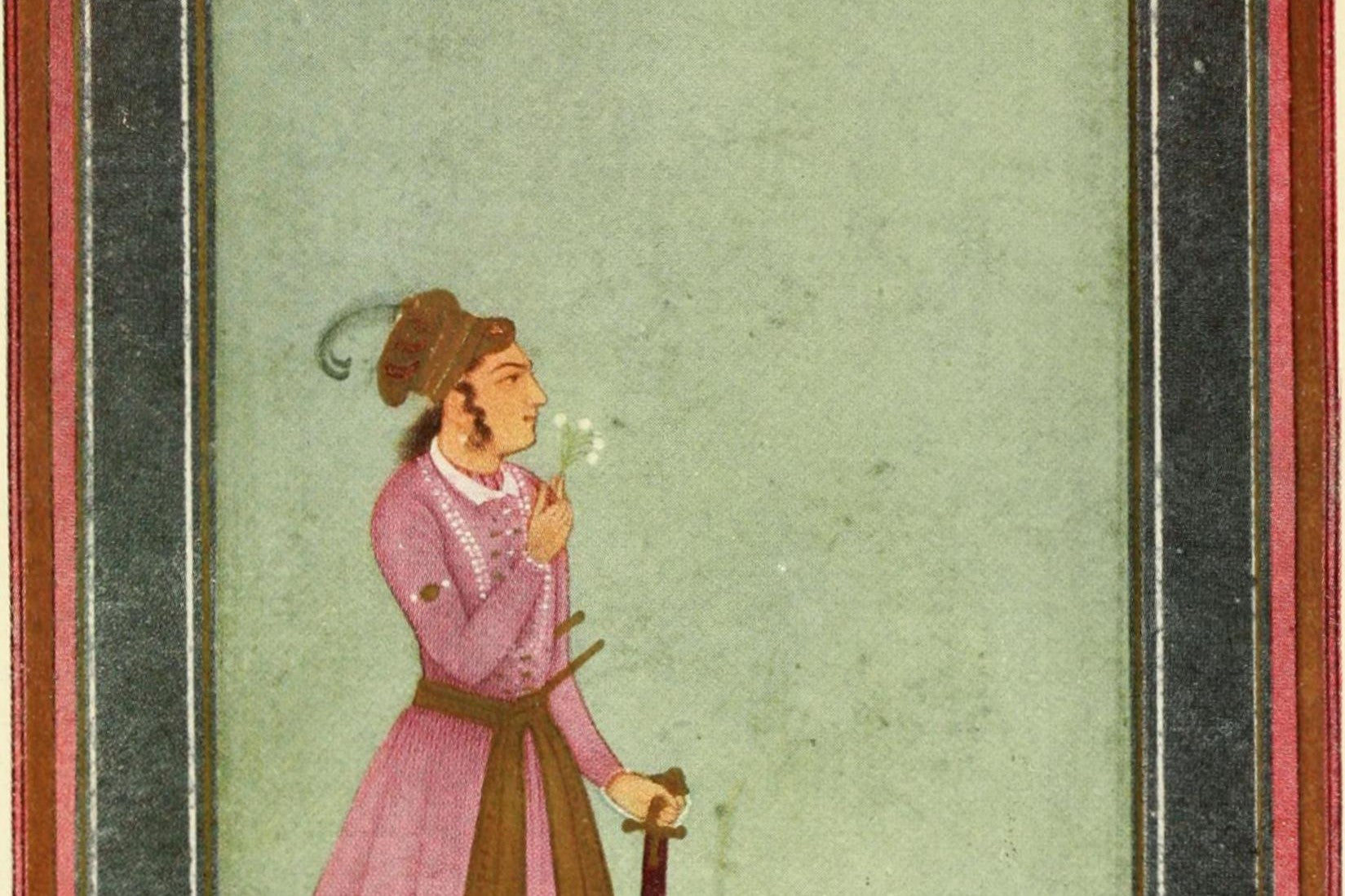
“Jahangir and his Father, Akbar,” Folio from the Shah Jahan Album
Image courtesy: The Met Museum
Bhatti’s End and the Birth of His Legacy
Bhatti met his end in 1599 when, on Akbar's instructions, he was publicly hanged in Lahore by a policeman. Bhatti was resolute in his opposition until the end, contrary to Akbar's hopes that he would cower in fear and be made an example of at the public execution.
Bhatti continues to lay in his fairly simple grave, elevated and cement-plastered, beneath the shade of an ancient tree in Lahore's historic Miani Sahib Graveyard. He is remembered every year on the day of Lohri for his role as a protector of Punjabi girls, especially through the well-known folk song.


