









Your Wedding Is One Day. Your Jewellery Should Last Much Longer.
One of the questions brides ask most often while shopping for their wedding jewellery isn't about carat size, gemstones, or trends.
It's much simpler than that:
"Will I ever wear this again?"
It's a fair question.
After all, weddings come and go, but your jewellery stays with you. Long after the lehenga is carefully packed away and the photographs find their place in an album, your jewellery remains part of your collection. It accompanies you to family weddings, festive celebrations, anniversaries, and countless moments in between. Well-made jadau and polki jewellery is built to last for decades, not just the wedding day - the hand-set stones and gold construction used in these heritage techniques are inherently durable, which is exactly why so many pieces get passed down as family heirlooms rather than retired after the wedding.
That's why today's brides are increasingly choosing bridal jewellery that feels timeless, durable, and worth passing down - not just wearable for one occasion.
How Long Does Jadau Jewellery Actually Last?
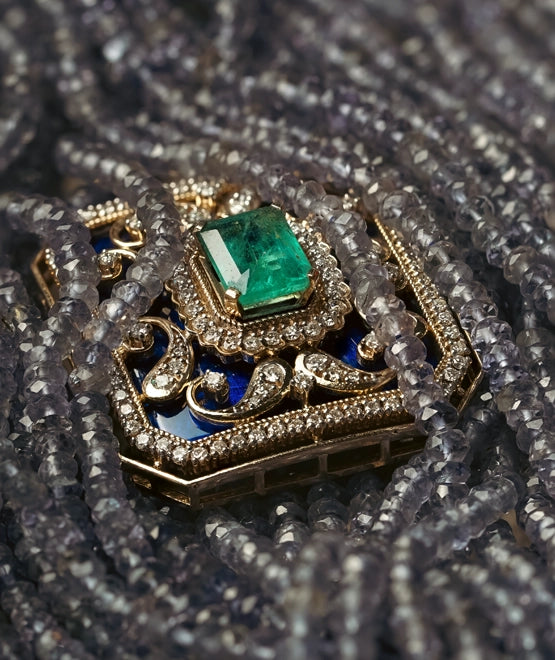
Jadau jewellery is made using a hand-embedding technique where uncut diamonds (polki) or foiled gemstones (kundan) are set directly into gold, without adhesives or modern mechanical settings. Done well, this construction is remarkably durable - many jadau pieces in circulation today are decades, even generations, old, and still wearable.
The main factors that affect longevity are the quality of the gold base, how securely the stones are hand-set, and how the piece is stored and cared for between wears (loose stones from poor setting, not the technique itself, are usually what shorten a piece's life). This is also why craftsmanship and artisan skill matter more with jadau than with mass-manufactured jewellery - a well-set piece can genuinely last a lifetime, while a rushed one won't.
Is It Better to Buy or Rent Bridal Jewellery?
Renting can make sense for a single, once-off statement piece you're unlikely to style again - but for jewellery you expect to wear at future family weddings, festive occasions, or hand down to the next generation, buying is generally the better long-term value, since well-made polki, kundan, and jadau pieces hold their craftsmanship (and often their resale or heirloom value) far longer than rental economics account for.
The pieces most worth owning outright tend to be the ones with the most versatility: a timeless necklace or choker, a pair of earrings you'll reach for again, and - for many brides - a maangtika kept for sentimental rather than everyday reasons.
The Bridal Necklace You'll Reach For Again
If there's one bridal purchase that delivers long-term value, it's a beautifully crafted necklace.
Many brides automatically assume that a wedding necklace will feel too elaborate for future occasions. But the truth is that timeless designs rarely feel out of place.
A classic polki choker, an elegant gemstone necklace, or a layered bridal piece can easily be styled in different ways after the wedding. What feels grand with a bridal lehenga can feel effortlessly sophisticated with a silk sari, a festive anarkali, or even a contemporary draped outfit.
The secret lies in choosing craftsmanship over trends.
Intricate polki jewellery, for example, has remained relevant across generations because it never relies on what's fashionable at a particular moment. It simply works.

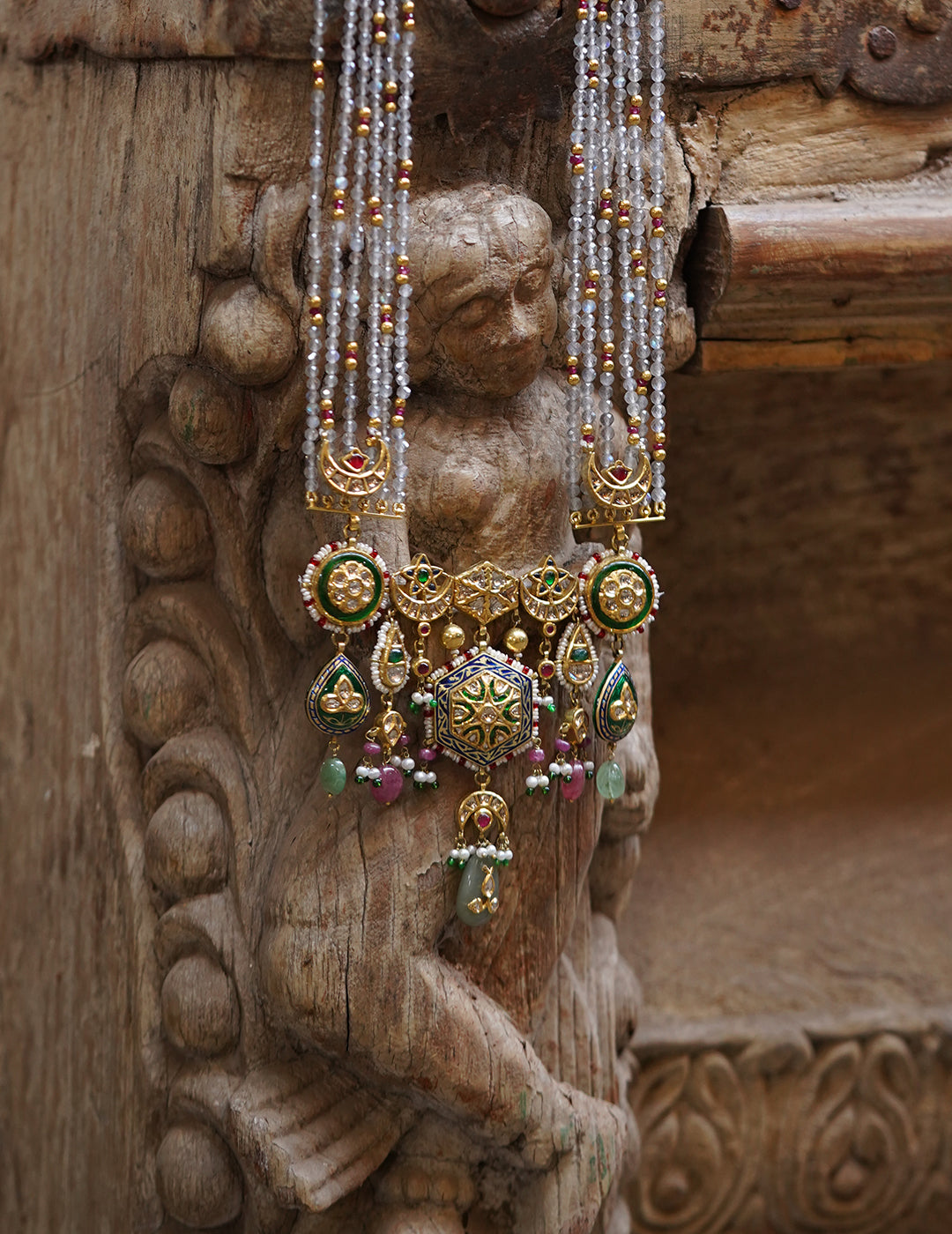
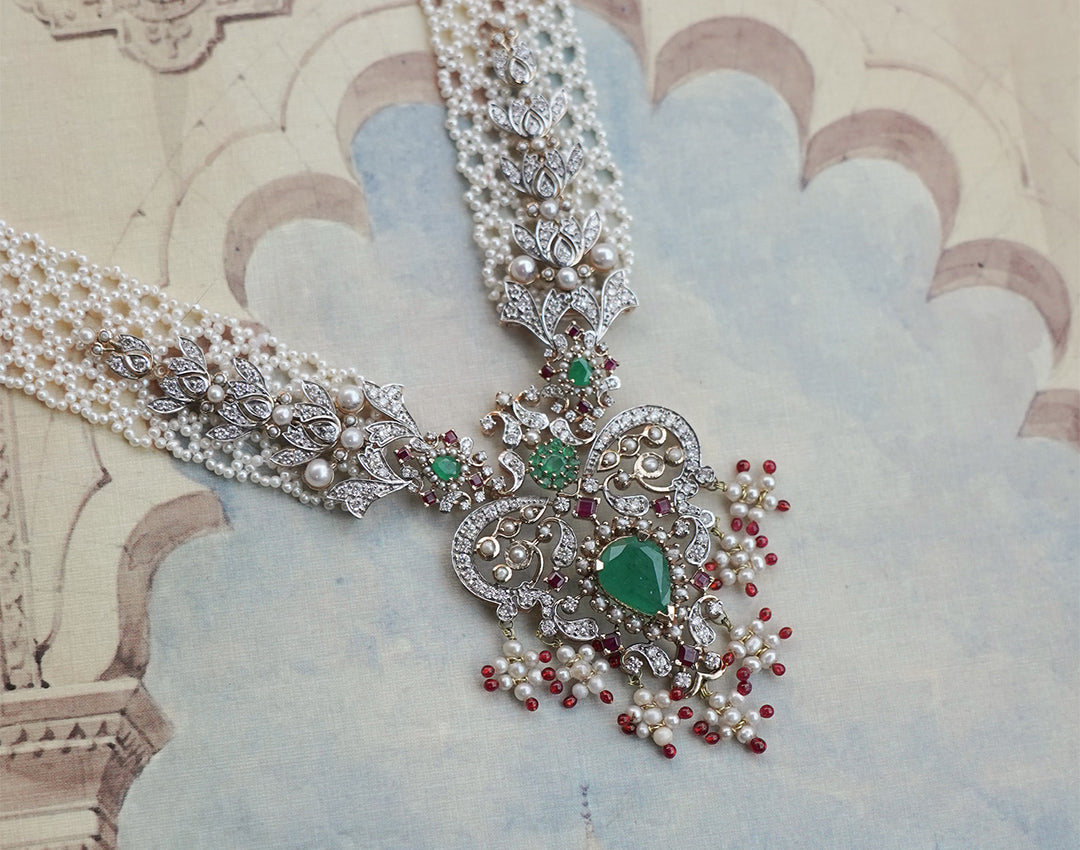
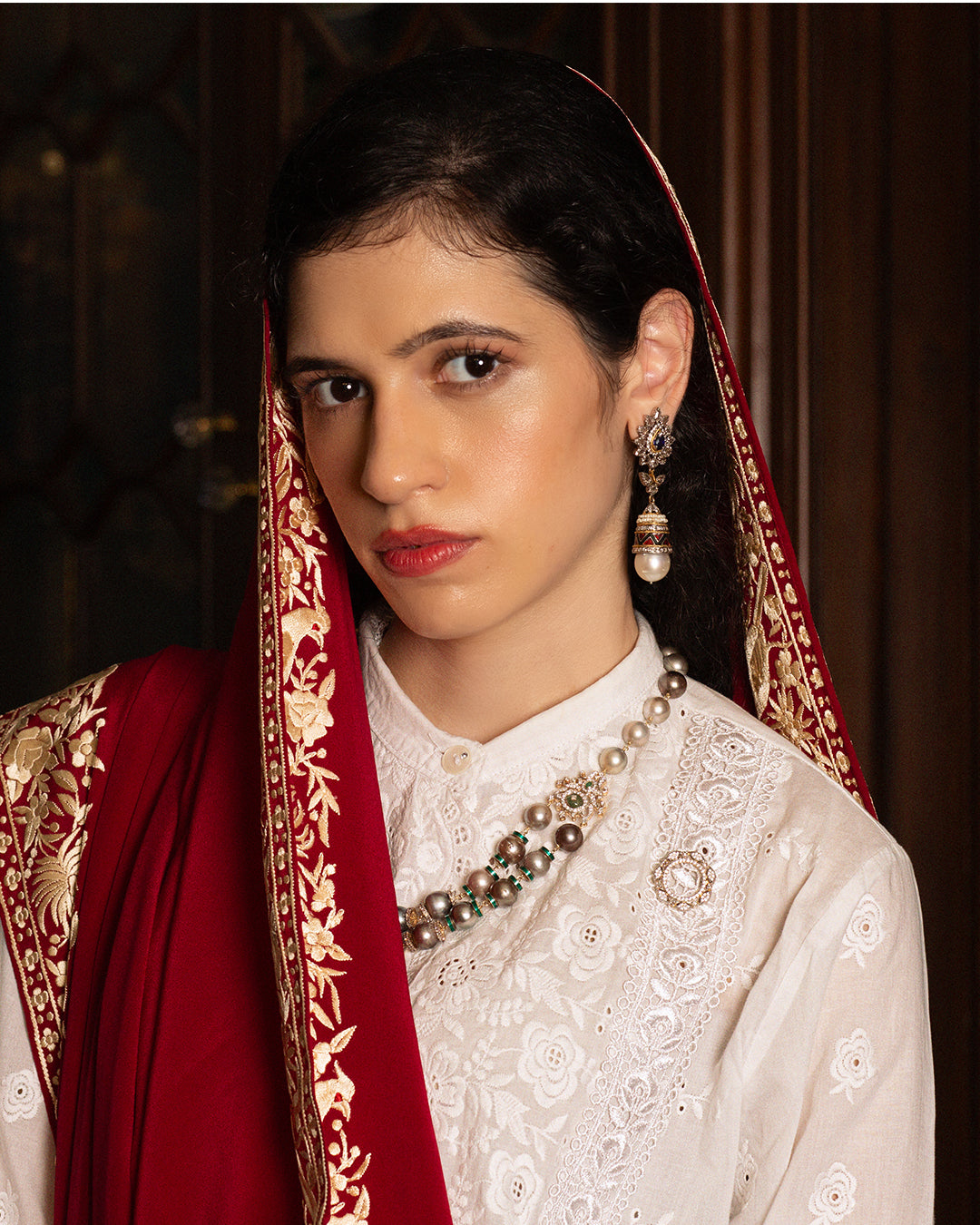
Image: Kalyani Necklace. An elaborate Indian wedding necklace, Kalyani is handcrafted in gold and dressed in polki/uncut diamonds and tourmalines.

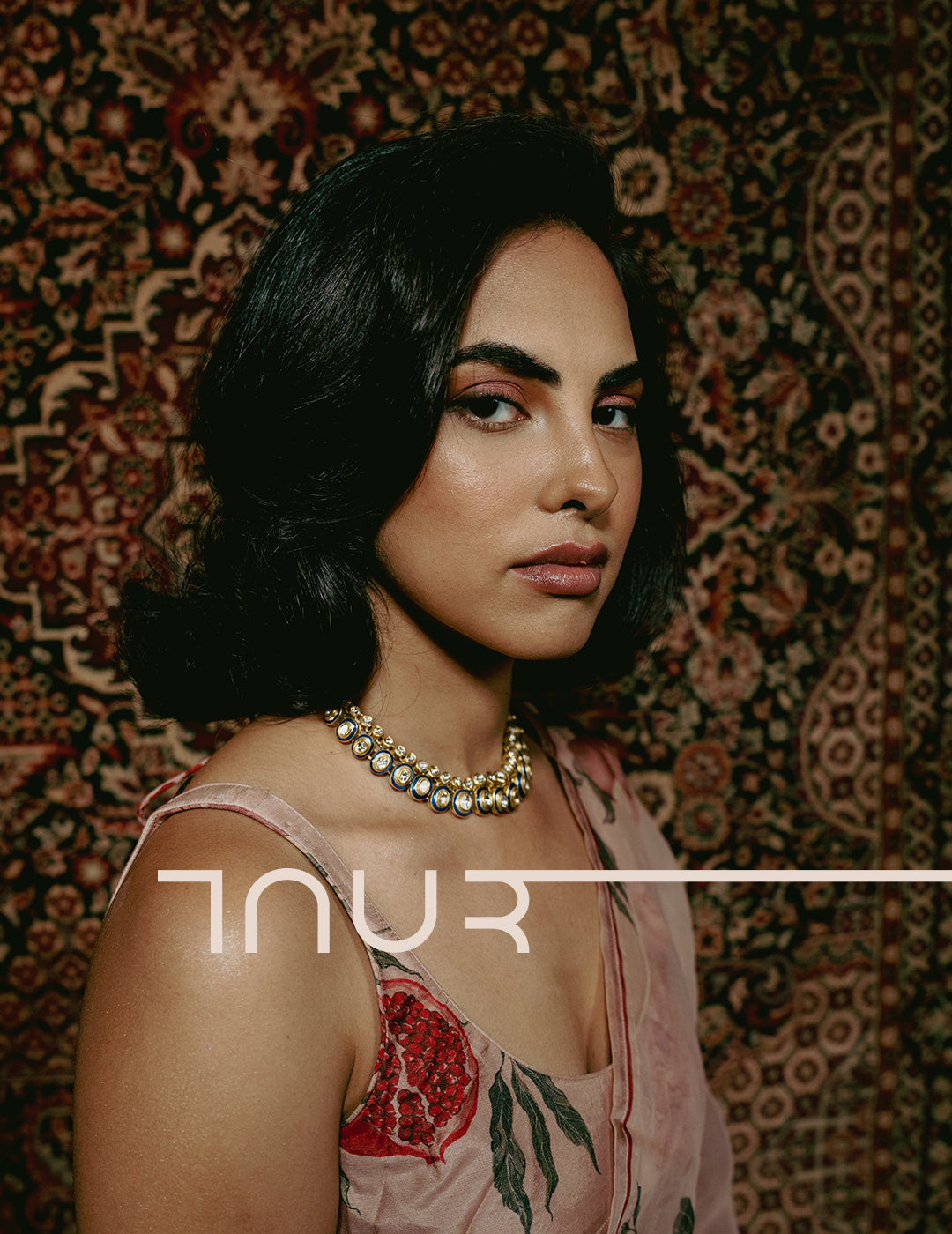
Image: Navya Navratna Choker Necklace. An elaborate Indian wedding necklace, Kalyani is handcrafted in gold and dressed in polki/uncut diamonds and tourmalines.
Earrings: The Hardest Working Pieces in Your Collection
If bridal necklaces are the statement-makers, earrings are the pieces you'll wear most often.
A pair of chandbalis, statement drops, or elegant polki earrings can instantly elevate almost any festive outfit. They're often the first bridal purchase that finds its way back into regular rotation because they're easy to style and don't require an entire bridal look to feel appropriate.
Many brides discover that their wedding earrings become their favourite jewellery purchase long after the celebrations are over.

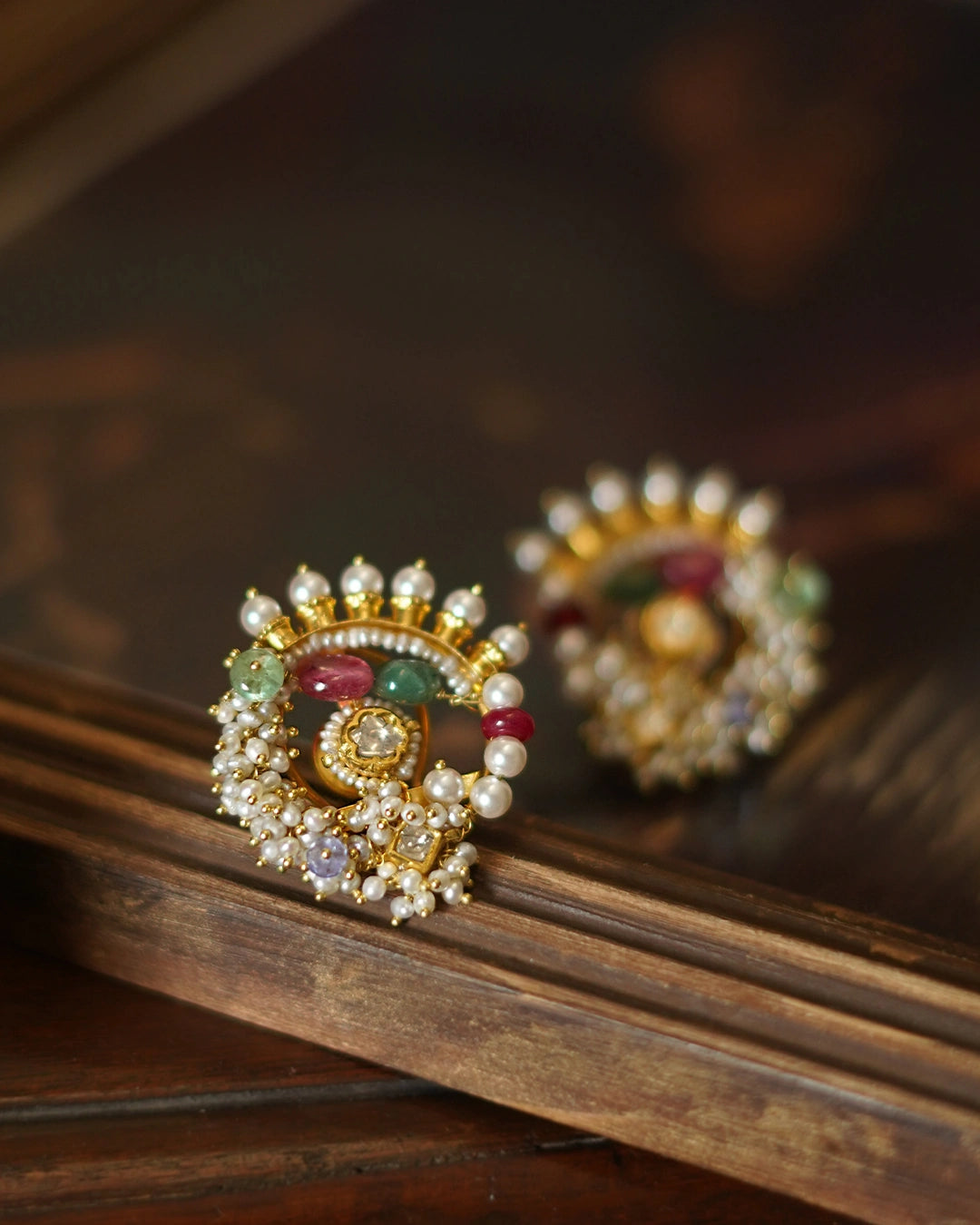
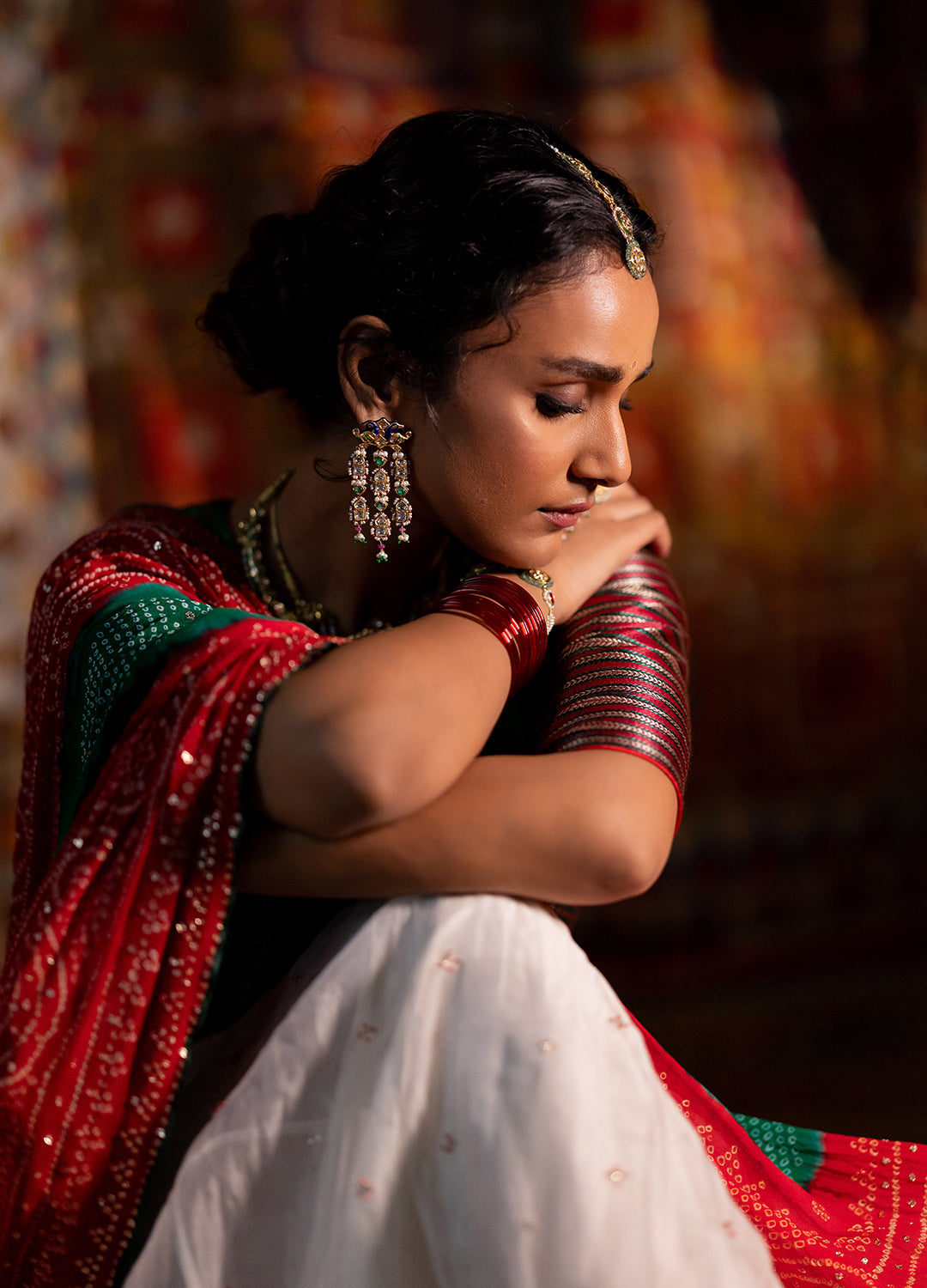
Image: Maia Earrings. An elaborate Indian wedding necklace, Kalyani is handcrafted in gold and dressed in polki/uncut diamonds and tourmalines.
What About The Maangtika?
A maangtika may not be something you wear every month, but it still deserves a place in a bridal collection built to last.
Family weddings, festive celebrations, and future milestone events often provide opportunities to revisit these special pieces. Choosing a timeless design rather than something overly trend-driven ensures it remains relevant for years to come.

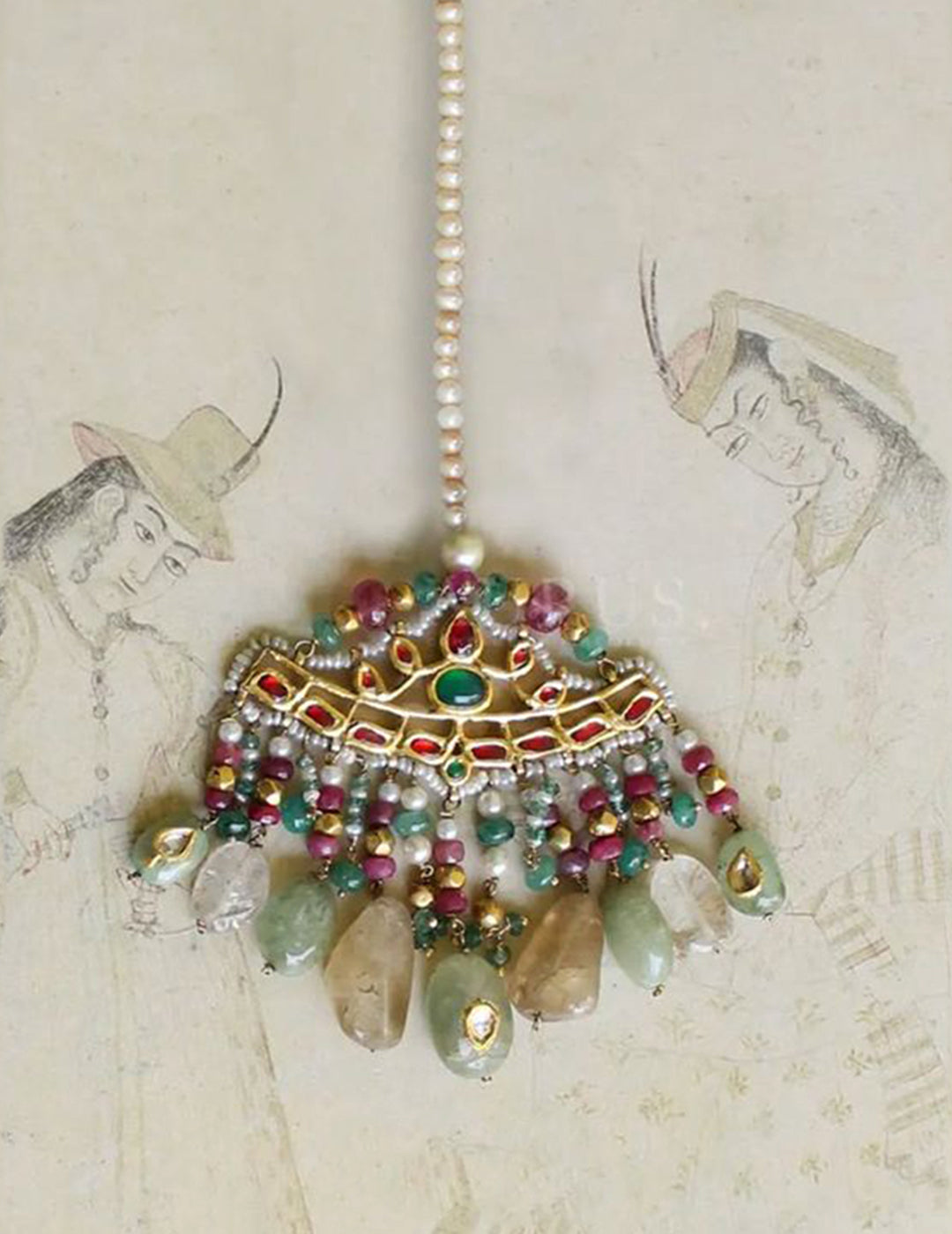
Image: Vasant Maangtika. Opulence through raw, multi coloured gems and stones comes alive in the Vasant maangtika, which is a statement, kundan head accessory.
Buy for the Woman You'll Be After the Wedding
When shopping for bridal jewellery, it's easy to focus entirely on the bride you'll be on your wedding day.
But perhaps the better question is this:
Who will you be five years from now? Ten years from now?
The most meaningful jewellery purchases aren't always the biggest or the most elaborate. They're the pieces that continue to feel beautiful as your life evolves.
The earrings you wear to a sibling's wedding.
The necklace you choose for your anniversary dinner.
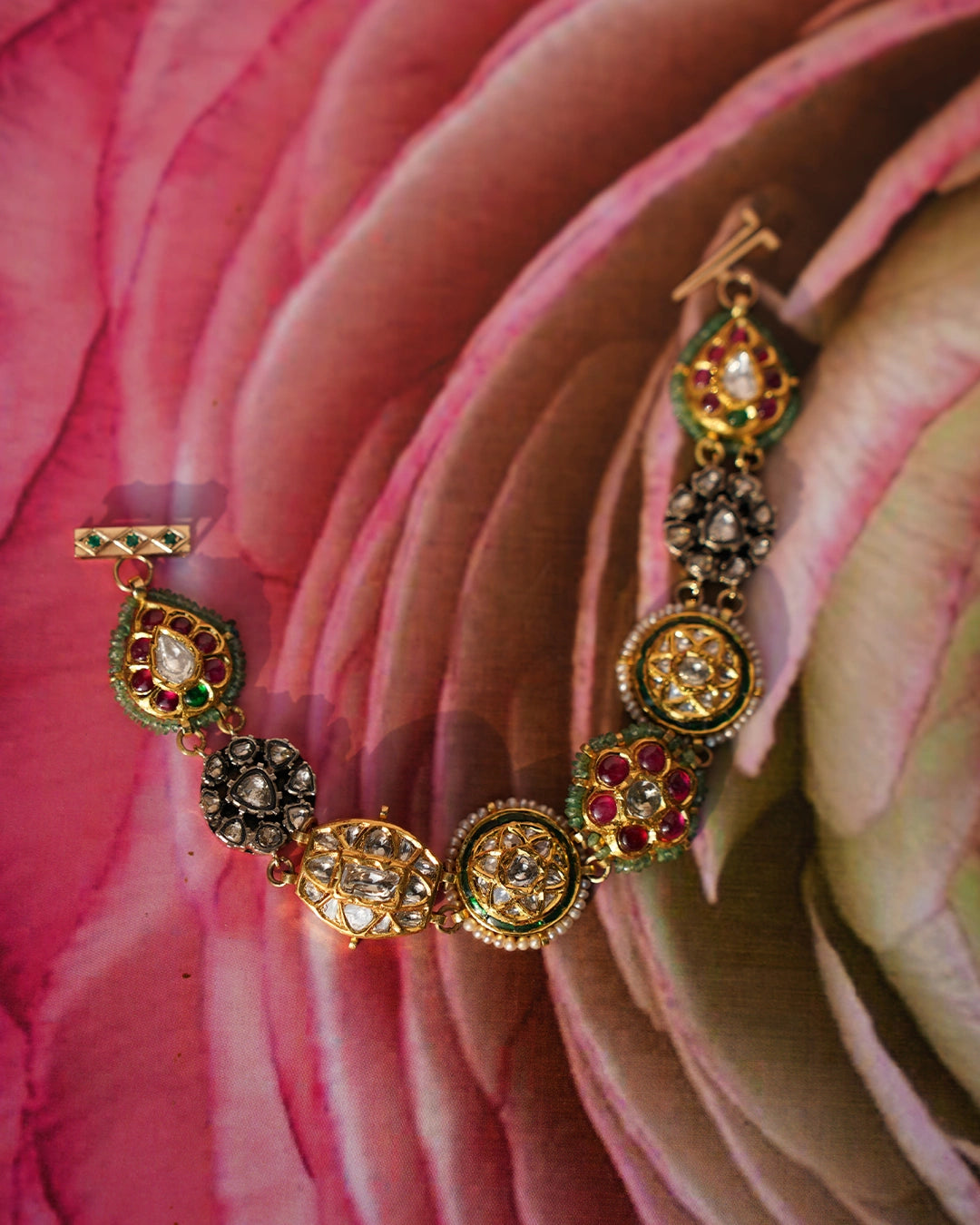
The bracelet that becomes part of your festive wardrobe every year.
The maangtika that reappears at a daughter's wedding one day.
Those are the pieces that truly earn their place in your collection, and eventually, your family's.
Because the best bridal jewellery isn't designed for one day. It's designed for a lifetime of celebrations after it.


